

The Allure of Winning
The thrill of winning is one of the primary reasons individuals are drawn to casino games. The possibility of hitting a jackpot creates an intense emotional reaction, often leading players to believe that success is just around the corner. This perception is reinforced by the near-misses many players experience, such as landing two out of three required symbols on a slot machine, and some might even turn to the best online pokies australia for their next chance at victory. Such moments can lead to heightened anticipation and excitement, drawing players back for more, even if they know the odds are stacked against them.
Furthermore, the psychology behind rewards plays a critical role in this allure. Variable reward schedules, where players receive payouts at unpredictable intervals, create a sense of excitement and encourage continued play. This unpredictability taps into the brain’s reward center, releasing dopamine, a neurotransmitter associated with pleasure and motivation. This effect can make people chase losses and continue playing, reinforcing the cycle of gambling behavior regardless of their financial outcomes.
Additionally, the social aspect of casino games adds another layer to the appeal. Many players enjoy the atmosphere of shared experience, where they can celebrate wins, commiserate losses, and engage in camaraderie with others. This social interaction can enhance the enjoyment of the games, making the experience more rewarding than simply focusing on the financial outcomes. By intertwining the allure of winning with social engagement, casinos create an environment that keeps players coming back for more.
The Role of Cognitive Biases
Cognitive biases significantly impact how individuals perceive and engage with casino games. One notable bias is the “gambler’s fallacy,” which refers to the mistaken belief that past events can influence future outcomes in games of chance. For instance, if a player observes a particular slot machine hasn’t paid out recently, they may convince themselves that it is “due” for a win. This misconception can lead to increased playtime and greater losses, as players chase the elusive win they believe is forthcoming.
Another common cognitive bias is the illusion of control, where players believe they can influence or predict the outcomes of games. This is particularly evident in games like blackjack or poker, where players may think their skill or strategy can overcome the odds. Such thinking can lead to overconfidence and a higher likelihood of taking risks that result in significant losses, thereby perpetuating the cycle of gambling behavior.
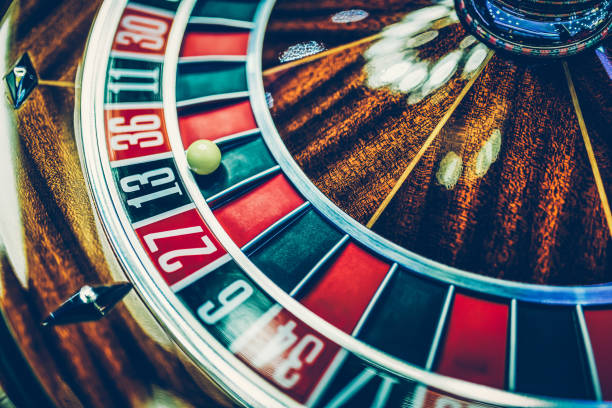
Moreover, the framing effect can influence decisions in casino environments. How a choice is presented can impact a player’s perception of risk and reward. For instance, presenting a potential win in terms of potential loss may lead players to make different choices compared to highlighting their potential gains. These biases illustrate how our cognitive processes can distort our understanding of gambling, leading to behaviors that align more with emotion than logic.
The Environment of Casinos
The design and atmosphere of casinos are meticulously crafted to enhance the gaming experience and influence player behavior. The use of bright lights, engaging sounds, and strategically placed machines creates an immersive environment that stimulates the senses. This sensory overload can lead to a state of excitement and distraction, making it easier for players to lose track of time and money. Research indicates that such environments can reinforce gambling behavior, encouraging longer play sessions.
Additionally, the absence of clocks and windows in many casinos plays a significant role in player psychology. By eliminating external cues related to time and daylight, players may remain in the casino longer than they initially intended. This design choice extends the gaming experience, allowing players to become engrossed in the thrill of the games without being reminded of the passing hours, often leading to impulsive betting behaviors.
Moreover, the layout of casinos often encourages exploration and discovery. By strategically placing games and amenities, casinos guide players through the venue, fostering a sense of adventure. This journey encourages players to try new games or revisit old favorites, further increasing time spent within the casino. Each aspect of the environment is meticulously planned to enhance engagement and keep the excitement alive, ensuring players remain invested in their gaming experience.
The Impact of Marketing and Promotions
Marketing strategies employed by casinos are designed with a deep understanding of psychological principles, aiming to entice players through targeted promotions and loyalty programs. By offering enticing bonuses, free spins, or complimentary meals, casinos create a sense of value and reward for engagement. These promotions can lead to a feeling of exclusivity, making players feel special and appreciated, further solidifying their commitment to return.

Moreover, casinos often utilize the concept of loss aversion in their marketing strategies. Players are more motivated to avoid losses than to achieve equivalent gains, which can be seen in promotions that emphasize “playing with house money.” When players receive bonuses or winnings, they may feel compelled to continue playing to avoid losing what they have gained, leading to increased betting and potentially higher losses.
Additionally, casinos frequently employ personalized marketing techniques that cater to individual player preferences. By tracking player behaviors and preferences, casinos can tailor their offerings to enhance the gaming experience. Personalized invitations to exclusive events or targeted promotions based on previous gaming habits can create a stronger connection between the player and the casino, reaffirming the emotional ties that keep players returning for more.
Understanding Player Behavior on Our Website
On our website, we delve into the intricate relationship between psychology and casino games, providing insights and analyses designed to educate players. Our articles explore various psychological aspects, including cognitive biases and the influence of the casino environment, enabling players to make informed decisions. Understanding these dynamics can help players navigate the complexities of gambling and approach it with a responsible and informed mindset.
We also offer resources for responsible gaming, emphasizing the importance of awareness and self-regulation. By raising awareness of the psychological factors at play, we aim to promote healthier gaming habits among players. Our commitment extends beyond just providing information—we strive to foster a supportive community where players can share experiences and tips, creating a safe space for discussion about the challenges and joys of gaming.
In conclusion, understanding the psychology behind casino games equips players with the knowledge to engage more thoughtfully and responsibly. Our website serves as a comprehensive resource for anyone interested in exploring these themes further, encouraging players to enjoy their gaming experiences while being mindful of the psychological influences at play. Join us as we continue to uncover the fascinating world of casino psychology and empower players to make better choices in their gaming endeavors.