

The Illusion of Skill in Games of Chance
When players walk into a casino, many believe that skill can significantly influence their chances of winning. This myth often stems from table games like poker, where strategic decisions can impact the outcome. However, in games like slots and roulette, luck is undeniably the overriding element. For instance, a player betting on a roulette wheel has no control over where the ball will land, making it similar to those who enjoy the best online casino nz options, where chance plays a vital role, and no amount of strategy will change the odds that are favorably skewed towards the house.
Understanding the variance in different casino games is essential for players hoping to increase their winning potential. While skill can play a role, especially in games like blackjack and poker, most games in a casino are structured around the house edge. This edge ensures that, over time, the casino will always make a profit, regardless of individual player skill levels. Therefore, while skills can affect short-term outcomes, they do little to sway the long-term mathematical probabilities that govern casino games.
Moreover, many players mistakenly believe that past outcomes can influence future results, a misconception known as the gambler’s fallacy. For example, if a particular number hasn’t come up in roulette for a while, players might feel it’s “due” to appear. In reality, the odds remain the same for each spin, making the game purely about chance. Hence, the belief in skill, while compelling, often leads players astray in their quest for success in a casino environment.
The Myth of Beating the House Edge
One common misconception is that players can find ways to consistently beat the house edge by employing specific strategies. While some may advocate for advanced systems like card counting in blackjack, it’s important to realize that casinos are well aware of these tactics and have implemented measures to counteract them. For instance, they may use multiple decks of cards, shuffle frequently, or even ban players suspected of counting cards. This means that any short-term gains from such strategies often do not translate into long-term success.
Additionally, players frequently believe that they can exploit promotional offers or bonuses as a means of overcoming the house edge. While these promotions can provide extra value, they typically come with wagering requirements that make it difficult to realize significant gains. For example, a bonus may seem attractive at first glance, but the stipulations attached can often negate any potential profit, reinforcing the idea that the house always has the upper hand.
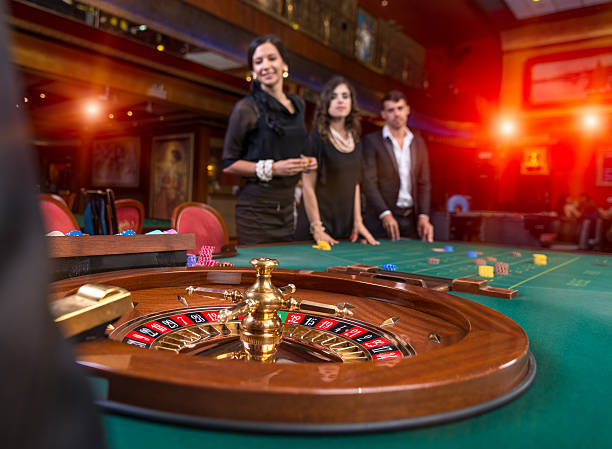
Ultimately, players should approach the idea of beating the house edge with caution. The reality is that casinos are designed to profit, and most strategies touted will not guarantee success. Understanding that winning consistently is nearly impossible can lead players to adopt a more realistic and enjoyable approach to gambling, treating it as entertainment rather than a path to financial gain.
The Allure of Hot and Cold Streaks
The concept of hot and cold streaks is a popular narrative among casino-goers, leading many to believe that players can ride a wave of good luck or avoid bad luck based on recent outcomes. This belief can significantly influence betting behavior, where individuals may increase their bets during a winning streak or pull back during a perceived cold spell. However, in most casino games, each spin or hand is an independent event, unaffected by previous results.
This myth can be particularly evident in slot machine play. Players often speak of certain machines being “hot” or “cold,” implying that they can predict when a machine is more likely to pay out. In reality, every spin of a slot machine is generated by a random number generator, ensuring that every outcome is entirely random and unrelated to previous spins. This randomness makes it impossible to predict when a machine will pay out, forcing players to abandon the notion of streaks influencing their chances.
Additionally, understanding the nature of randomness in gambling can help temper expectations. Players can enjoy the thrill of gambling without falling into the trap of chasing streaks or losses. Recognizing that both winning and losing are inherent parts of the gaming experience can cultivate a healthier mindset, allowing individuals to appreciate the entertainment value of casinos, rather than solely focusing on the outcome.
The Reality of Gambling Addiction
One of the darkest sides of gambling lies in the potential for addiction, a reality that often goes overlooked amid myths about winning. Many people view gambling as a harmless form of entertainment; however, for some, it can spiral into a serious addiction leading to severe emotional and financial consequences. Understanding the signs of gambling addiction can be essential in recognizing when a fun activity has crossed the line into a problematic behavior.
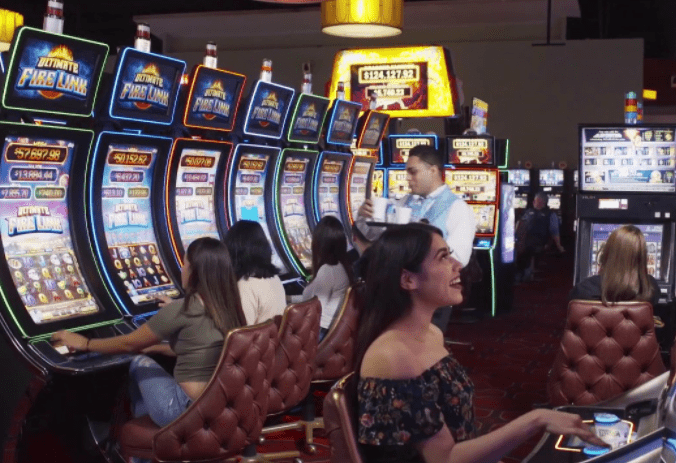
Common indicators of gambling addiction include preoccupation with gambling, an inability to cut back or stop, and using gambling as a means of escape. These behaviors can lead to devastating consequences, including financial ruin, damaged relationships, and mental health issues. It’s crucial for individuals who experience these symptoms to seek help and support from professionals or support groups dedicated to addressing gambling addiction.
Raising awareness about the potential for addiction is vital in fostering a responsible gambling culture. Casinos can play a proactive role in this regard by providing resources and support for individuals who may be struggling. By offering information about responsible gambling practices and available assistance, casinos can help mitigate the risks associated with gambling, allowing patrons to enjoy gaming without falling into the traps of addiction.
Understanding Responsible Gambling Practices
With a clearer perspective on the myths versus the reality of winning at casinos, it becomes essential to delve into responsible gambling practices. Responsible gambling refers to a series of measures aimed at encouraging players to engage with gambling in a safe and controlled manner. This includes setting limits on time and money spent, recognizing when to take a break, and understanding the nature of the games being played.
Casinos are increasingly promoting responsible gambling initiatives, recognizing the importance of player welfare. Many establishments offer tools such as self-exclusion options, limit-setting capabilities, and accessible resources for those seeking help. By incorporating these practices into the gambling experience, players can enjoy their time at the casino while minimizing the risks associated with excessive gambling behavior.
The reality of gambling is not solely about winning or losing; it encompasses a broader understanding of how to engage with games responsibly. By fostering a culture of awareness and education surrounding gambling, both players and casinos can work together to ensure that gaming remains a fun and enjoyable activity without crossing into harmful territory. The promotion of responsible gambling practices serves not only the players but also the integrity of the casino industry as a whole.